Is Your Tinder Match a Bot? 7 Signs You're Talking to a Fake Account
November 3, 2025 — By Gettit Team · 7 min read
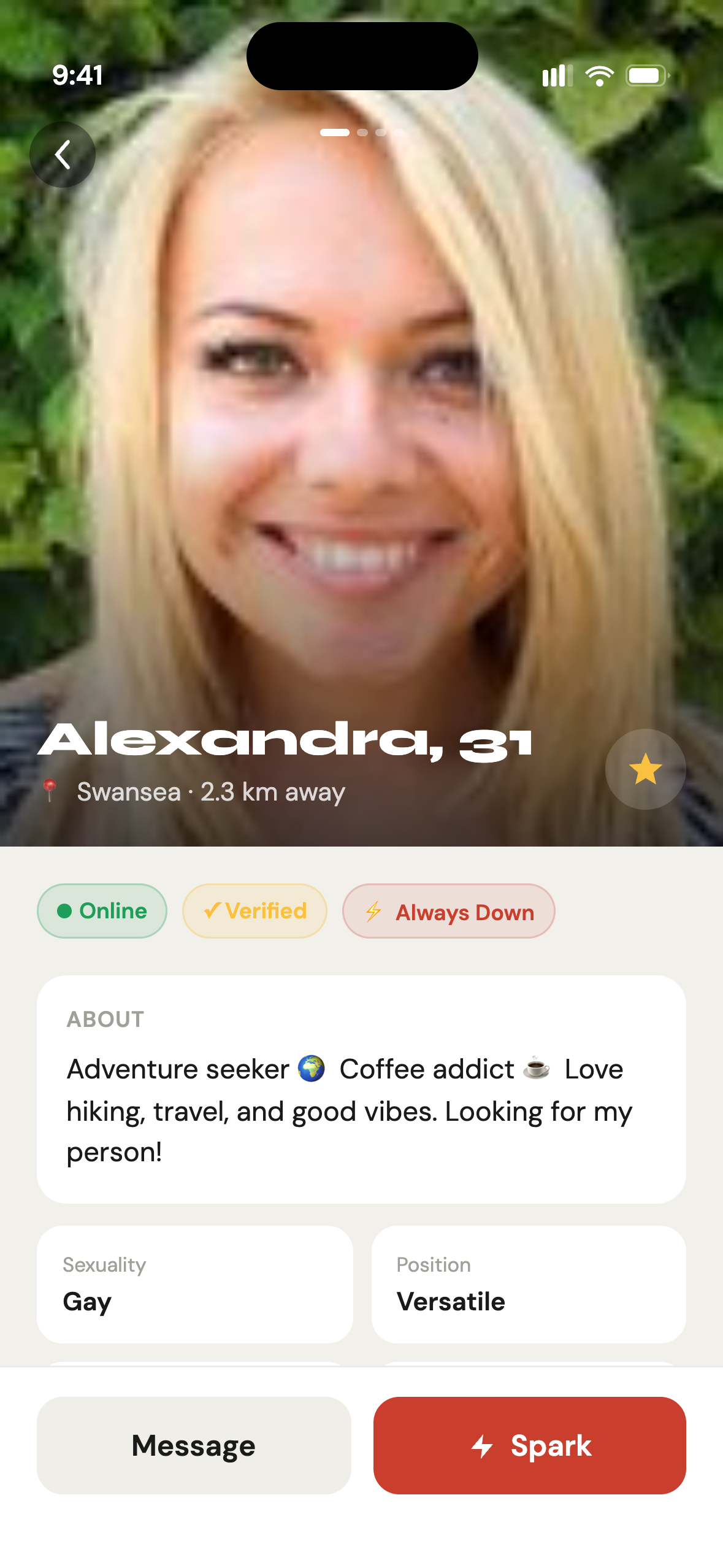
Industry estimates suggest that somewhere between 10 and 25 percent of all profiles on major swipe apps are fake — bots, catfish accounts, or abandoned zombie profiles left over from users who stopped engaging years ago. If that number sounds high, consider that on a platform with tens of millions of users, even a 5% fake rate means millions of non-human accounts circulating in the swipe stack. Knowing whether your Tinder match bot signs are real is no longer paranoia — it’s basic digital literacy.
The problem has grown more acute as the technology behind these accounts has improved. Where early bots were clumsy, repetitive, and easily spotted, today’s fake accounts can sustain multi-message conversations, respond with apparent context-awareness, and present AI-generated profile photos that don’t exist anywhere on the internet. The old tricks for detecting them are increasingly unreliable. These seven signs are more durable.
Sign 1: They Matched and Messaged Almost Instantly
When you swipe right on a real person, there’s typically a delay before they see your like and reciprocate — they have to be using the app at the right moment, or stumble across you in their own queue later. When you match and receive a message within 30 seconds, you should be suspicious.
Bot operators often run their accounts in an “always online” mode, with automated systems that detect incoming likes and generate immediate responses. The speed is a feature, not an accident — faster engagement hooks you before your skepticism kicks in. Real humans don’t sit with their screen open watching for new matches in real time.
Sign 2: Their Photos Look Too Perfect
There’s nothing wrong with someone being attractive, but there’s a specific look that AI-generated and professionally stolen photos tend to share: every image is well-lit, posed, and high resolution. There are no candid shots, no group photos with friends, no slightly blurry vacation selfies, no “I just woke up” mirror photos.
Real people’s photo collections are inconsistent — different quality levels, different settings, different energy. If every photo on a profile looks like it was produced by the same modeling agency, that’s a flag. Run a reverse image search on at least one photo; if results come back from multiple unrelated sources or from obvious AI-generation sites, trust your instincts.
Sign 3: Their Bio is Designed to Match Anyone
Examine the bio closely. Does it say anything specific? Phrases like “just here to see what happens,” “lover of life,” “sarcastic but sweet,” or “ask me anything” are grammatically fine but contain no information. They are deliberately content-free because they have to work as an opening for every user who reads them.
Authentic bios — even short ones — tend to contain something specific: a neighborhood, a weird hobby, a strong opinion about a show, a reference to a job or a life circumstance. The absence of any specificity, especially combined with other signs on this list, strongly suggests the profile was optimized for broad appeal rather than genuine connection.
Sign 4: Their First Message Uses Your Name Unnaturally or Opens with Immediate Flattery
Many bot scripts are programmed to use your name in the opening message — “Hey [name], I loved your profile!” — because that’s supposed to feel personal. But it often lands unnaturally, because real people rarely lead with someone’s name in a first message. They lead with a reaction to something specific.
Alternatively, the first message might be generically flattering in a way that doesn’t reference anything about you specifically. “Wow, you seem really interesting” is not something a real person writes after looking at your actual profile. It’s a script.
Sign 5: They Push Quickly to Move Off-Platform
This is one of the most reliable indicators. Within the first few messages — sometimes the very first — the account suggests moving the conversation to WhatsApp, Telegram, Instagram, a specific website, or via text. The reasons offered sound plausible: “I’m barely on Tinder,” “the app keeps glitching,” “I’m more active on Instagram.”
The real reason is that Tinder can detect and ban bot accounts, but it has no visibility into what happens on external platforms. Moving you off-platform gets the bot operator out of Tinder’s moderation reach and into a space where they can run a longer-form scam, harvest your phone number, or redirect you to a paid site. Legitimate matches have no urgent reason to leave a platform they were just using.
Sign 6: Response Timing is Mechanically Consistent
Humans are irregular. We reply quickly when we’re bored and slowly when we’re busy. We go silent during meetings, sleep, and social commitments. If your match responds within 60-90 seconds at midnight on a Tuesday and then again at 7 AM on a Wednesday with the same tempo, that’s unusual.
Automated systems respond based on queue processing, not on human availability. If the timing of responses seems suspiciously clockwork — not fast enough to be alarming on its own, but consistent across hours and days in a way no real person could sustain — that’s a pattern worth noting.
Sign 7: They Dodge Specific Location Questions
A simple test: ask about something hyperlocal. Not “what part of the city are you in?” but something more specific — a restaurant that recently closed, a neighborhood event from last weekend, a street known for a particular thing. Bot scripts typically have access to general city-level information but not the granular local knowledge a real resident would have.
Real people can answer these questions because they actually live there. If your match deflects, changes the subject, gives a vague answer, or responds with something that doesn’t quite fit the question, that’s meaningful. They may not be where they claim to be — or anywhere at all.
What to Do When You Suspect a Bot
Don’t engage further. Don’t click any links they send. Report the account using Tinder’s in-app reporting flow and select “Feels like spam” or “Fake profile.” Then unmatch.
Never provide personal information — phone number, email address, or financial details — to an account you haven’t verified is real. Scam scripts are designed to gradually escalate intimacy and extract information; the longer you engage, the more they have.
The Structural Fix
All seven of these detection methods exist because we’re trying to solve a problem downstream of its source. The real fix isn’t better user vigilance — it’s platforms that verify identity before accounts can interact with anyone.
When account creation requires a live selfie matched against identity verification, bot operators can’t get in the door. They can’t fabricate a biometric match. They can’t generate a document that passes a real-time identity check. The problem is solved at the source rather than passed to users to manage on their own.
If you want to explore which platforms actually meet this standard, the guide to dating apps with verified profiles covers what each app’s verification really means. For a focused ranking of best dating apps without bots, that comparison applies a consistent criteria across every major platform.
Gettit requires this check from every user before they appear in the proximity grid. The result is a platform where the question “is this a real person?” doesn’t need to be asked, because the answer was verified before the profile was ever created. Join the Gettit beta to see what that feels like.
Ready to Meet Real People?
Join the Gettit beta and get 6 months of Plus free.
Sign Up Now — 6 Months Free